Are You a Vata, Pitta, or Kapha? Or Just Wondering What on Earth That Means?
If you’ve ever asked yourself whether your digestion has a personality—or why your friend thrives on salads while you crave ghee-roasted sweet potatoes—welcome to the world of Ayurveda, where your body type, mood swings, and snack preferences all make perfect sense.
In the age of wearable fitness trackers and cold-pressed green juices, something delightfully old is making a powerful comeback. Ayurveda—India’s 5,000-year-old holistic healing system—is no longer reserved for your grandma’s herbal remedies. It’s now part of the global wellness conversation, especially among those tired of one-size-fits-all health advice.
And no, it’s not all turmeric lattes and chanting at sunrise (though both are lovely). At its core, Ayurveda is about balance—in body, mind, and spirit. Think of it as Google Maps for your well-being: deeply personalized, beautifully intuitive, and rooted in natural rhythms.
What Exactly Is Ayurveda?
The word Ayurveda comes from Sanskrit: ayur (life) + veda (knowledge). It’s often called “the science of life,” and instead of focusing only on symptoms, it zooms out to look at your entire system—how you eat, sleep, move, think, and even how you poop.
Central to Ayurveda is the concept of doshas—Vata, Pitta, and Kapha. These three energies govern everything in your body, from your metabolism to your moods. Your unique combination of these doshas (called prakriti) is like your wellness fingerprint.
- Vata (air + ether): creative, energetic, a bit scattered. Tends to get cold and dry.
- Pitta (fire + water): sharp, intense, focused. Can overheat—literally and emotionally.
- Kapha (earth + water): calm, grounded, sturdy. Needs a nudge to get moving.
Once you know your dosha, Ayurveda can help you understand how to eat, move, and live in a way that actually works for you.
Fitness, the Ayurvedic Way
“If the thought of another HIIT (High-Intensity Interval Training) workout makes your soul weep, Ayurveda has good news: movement doesn’t have to mean pushing your limits every single day.
Here’s how fitness aligns with your dosha:
- Vata: Gentle, grounding activities like yoga, tai chi, or nature walks are ideal. Too much cardio? Recipe for burnout.
- Pitta: You’re a natural athlete, but balance your intensity with swimming, biking, or non-competitive sports. No need to win every game.
- Kapha: You need movement that energizes—think dance, aerobics, or hot yoga. Sweat it out to shake off that inertia.
Pro tip from the sages: exercise in the early morning, when your body is naturally more awake and the air is fresh.
Food as Medicine (And Yes, Ghee Is a Superfood)
Forget calorie counting and complicated macro charts. In Ayurveda, food is more than fuel—it’s medicine. And digestion is everything.
Here’s what a mindful Ayurvedic plate might look like:
- Warm, cooked meals (especially for Vata and Kapha types)
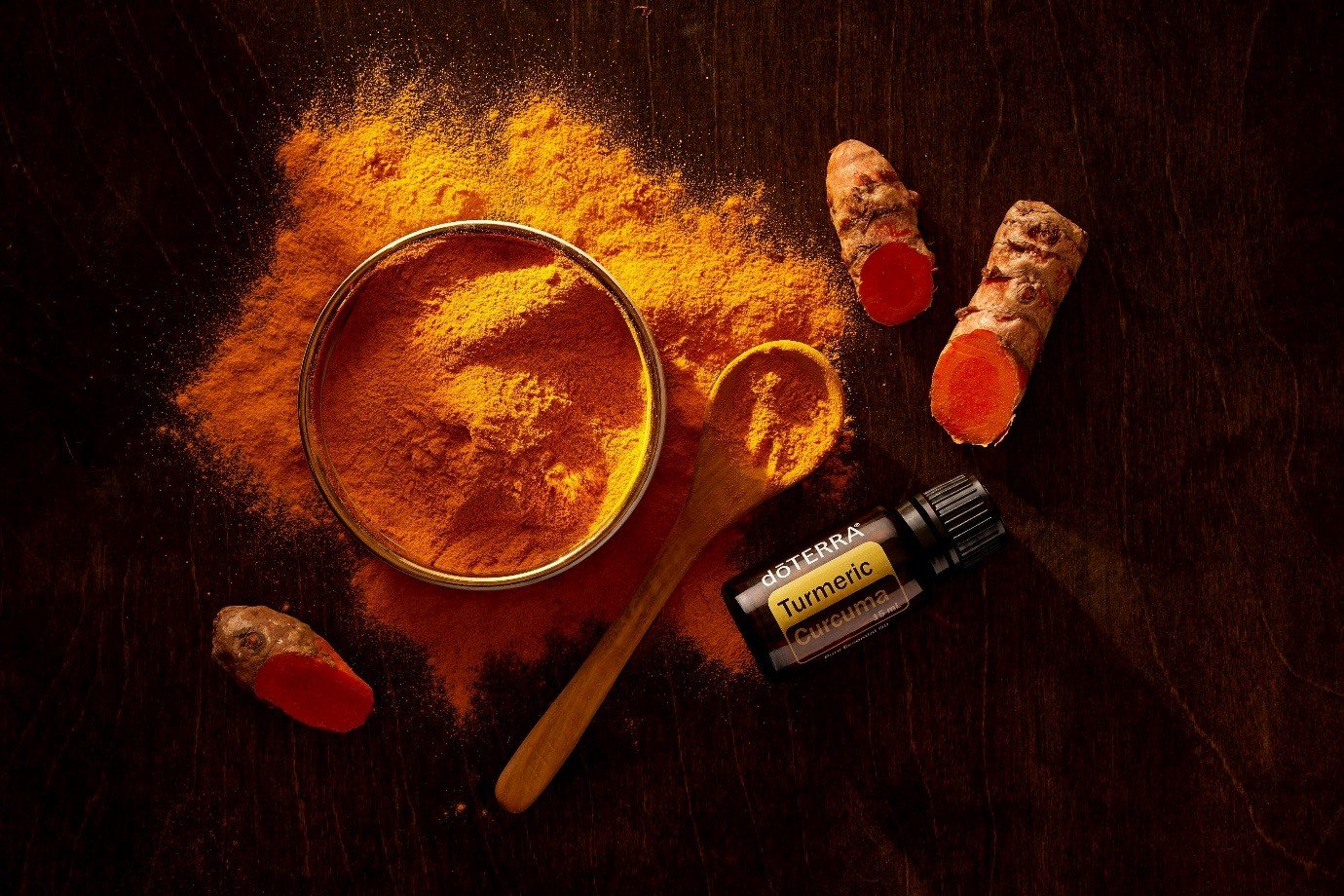
- Spices like turmeric, cumin, ginger, and black pepper to stoke your digestive fire (agni)
- Eating at regular times, with full attention (yes, that means no Netflix at dinner)
Each dosha has its dietary dos and don’ts, but the basics are universal: avoid processed food, don’t overeat, and skip late-night snacks. Herbal teas like triphala, cumin-coriander-fennel, or ginger-tulsi are commonly recommended to keep digestion humming.
Mental and Emotional Balance: Not Just in Your Head
In Ayurveda, your mind and body are part of the same ecosystem. If one’s off, the other suffers. That’s why mental wellness isn’t treated as an afterthought—it’s central.
Tools like:
- Pranayama (breathwork)
- Abhyanga (self-massage with warm oils)
- Meditation and mantra chanting
aren’t just for yogis. They’re everyday tools to calm your nervous system, reduce stress, and improve sleep—essential for true well-being.
Routines That Heal: Sleep, Detox & Dinacharya
Ayurveda thrives on rhythm. It’s less about grand gestures and more about consistency: waking up early, eating your meals at the same time, and winding down before 10 p.m. are considered acts of deep self-care.
And detox? While intense cleanses like Panchakarma require expert guidance, simple habits like:
- Drinking warm lemon water in the morning
- Scraping your tongue
- Oil pulling
- Doing a weekly fast (even just skipping dinner once a week)
…can do wonders.
Why Ayurveda Feels So Right Right Now
In a world overloaded with information and conflicting wellness advice, Ayurveda stands out for its clarity and personalization. It reminds us that good health isn’t just about abs or apps—it’s about feeling balanced, energized, and aligned with nature.
For Indians rediscovering this ancient legacy, or Europeans embracing it with open minds and yoga mats, Ayurveda offers something that modern systems often miss: context.
So whether you’re a dosha-devotee or a curious beginner, Ayurveda has room for you. After all, sometimes the smartest move forward is to look back—5,000 years back, to be precise.
Namaste, and pass the ghee.
NEXT ISSUE: Our own Ayurveda doctor Upendra Arya in Barcelona shows us how to make real ghee at home.